


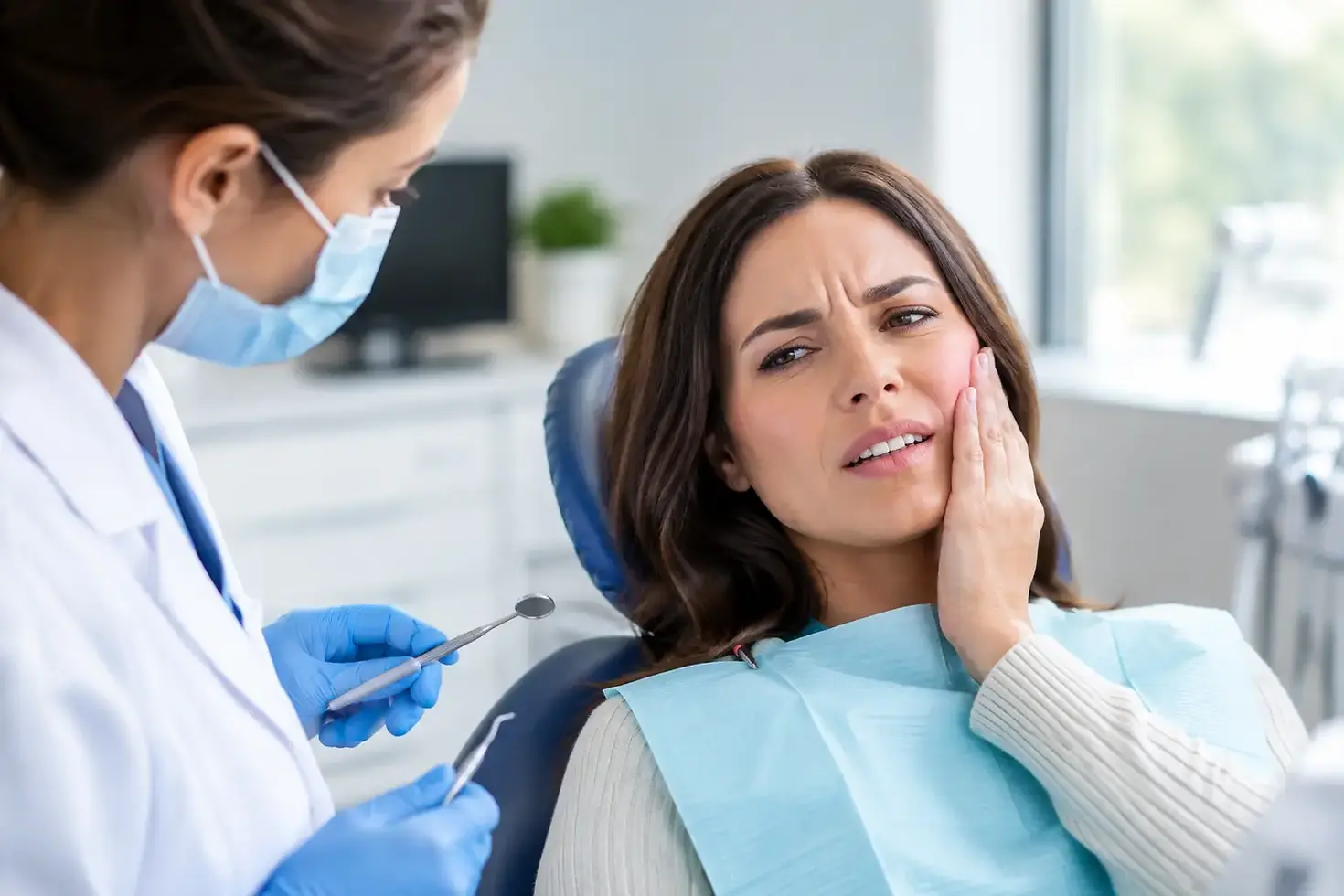
When You Need an Emergency Dentist in Novi MI

A cracked tooth during dinner, a child’s knocked-out tooth after practice, or a toothache that keeps you awake can turn an ordinary day into a stressful one quickly. When you need an emergency dentist in Novi MI, knowing what requires prompt care can protect your comfort, your oral health, and sometimes the tooth itself.
Dental emergencies rarely happen on a convenient schedule. The good news is that you do not have to guess whether pain or damage can wait. A prompt call to a dental office can help you understand what to do next, whether you need to be seen right away, and how to stay more comfortable until your visit.
When to Call an Emergency Dentist in Novi MI
A dental emergency is usually any issue involving severe pain, uncontrolled bleeding, swelling, infection, or trauma to a tooth, gum, jaw, or dental restoration. Some concerns may not look serious at first, but they can become more complicated if they are ignored.
A severe or persistent toothache deserves attention, especially if it is accompanied by swelling, sensitivity to heat, pain when biting, a bad taste in your mouth, or a fever. These symptoms can point to infection, deep decay, a damaged nerve, or an abscess. Pain may come and go, but that does not mean the problem has resolved.
A chipped, cracked, or broken tooth should also be evaluated promptly. Small chips may be smooth and painless, while a deeper crack can expose sensitive inner tooth structure or weaken the tooth enough that it breaks further. Save any tooth fragments you can find, rinse your mouth gently with warm water, and avoid chewing on that side until a dentist examines the area.
A tooth that has been knocked out needs immediate action. For an adult tooth, carefully pick it up by the crown, which is the chewing surface, rather than the root. If it is dirty, rinse it briefly with milk or water without scrubbing. If possible, place it back in the socket gently. If that is not possible, keep it moist in milk or saliva and seek dental care right away. A baby tooth should not be placed back into the socket because doing so can affect the developing permanent tooth.
A lost filling, crown, bridge, or temporary restoration may not always cause sharp pain, but it leaves the tooth vulnerable. Food can become trapped, temperature sensitivity can increase, and the remaining tooth structure may fracture. Call for guidance as soon as you notice the problem rather than waiting for your next routine appointment.
Signs That Need Medical Emergency Care
Most urgent dental problems are best handled by a dentist. However, certain symptoms require emergency medical attention first. Call 911 or go to the nearest emergency room if you have trouble breathing or swallowing, uncontrolled bleeding, a serious injury to your face or jaw, or swelling that is spreading into the neck or around the eye.
These symptoms can signal a medical emergency, not just a dental concern. Once you are medically stable, your dentist can help address the underlying oral health issue and any needed restorative treatment.
What to Do Before Your Emergency Dental Visit
The steps you take at home can make a real difference, but they are not a replacement for professional care. Keep the area clean by gently rinsing with warm water. A cold compress on the outside of the cheek can help reduce swelling and discomfort after an injury. If you are able to take over-the-counter pain medication safely, follow the package directions or ask your dental team which option may be appropriate for you.
Do not place aspirin directly on a tooth or gums. It can irritate the soft tissue and does not treat the source of the pain. Avoid very hot, very cold, hard, or sticky foods, particularly if a tooth is cracked or a restoration has come loose.
If there is bleeding from the gums or soft tissue, apply gentle, steady pressure with clean gauze. If bleeding does not stop, or if the injury is significant, seek immediate medical care. For a broken restoration, save the crown or bridge if you can, but do not try to force it back into place with household glue.
It also helps to prepare a few details before you call. Be ready to describe when the problem began, where the pain is located, whether there is swelling or bleeding, and whether you have had recent dental work or an injury. Clear information helps the dental team prioritize your needs and prepare for your visit.
Emergency Care Is About Relief and Long-Term Protection
An emergency appointment is not just about getting you out of pain. The goal is to identify the cause, stabilize the problem, and recommend the most appropriate next step for your smile. Depending on your needs, treatment may include repairing a filling, smoothing or restoring a broken tooth, re-cementing a crown, treating an infection, performing root canal therapy, or discussing extraction when a tooth cannot be saved.
The right recommendation depends on several factors: the extent of damage, the condition of the tooth and surrounding bone, your symptoms, and your long-term goals. A temporary repair may be the best first step in some situations, while others call for definitive treatment right away. A clear explanation of your options helps you make a confident decision.
Modern dental technology can make urgent care more efficient and more comfortable. Digital X-rays can help identify fractures, infection, or hidden decay. Same-day crown technology may be appropriate when a damaged tooth needs lasting protection without multiple appointments. The best approach is always the one that fits the clinical situation, not a one-size-fits-all solution.
Do Not Let Cost Keep You From Calling
Many patients hesitate to seek urgent dental care because they are worried about cost, insurance, or not knowing what treatment they will need. Those concerns are understandable. Calling early gives you a chance to discuss payment options, insurance benefits, and the likely scope of care before a small problem becomes a larger one.
If you have dental insurance, your team can help you understand how your benefits may apply. If you do not have insurance, ask about available payment options and in-house membership plans. At Provident Dentistry, patients can also ask questions about treatment recommendations and request a second opinion when they need more clarity before moving forward.
Preventing the Next Dental Emergency
Not every emergency can be avoided, especially sports injuries and accidents. Still, routine exams give your dentist a chance to find loose fillings, worn crowns, cracks, cavities, and gum concerns before they become painful. If you grind or clench your teeth, a custom nightguard can help protect teeth and restorations from repeated pressure. Athletes of all ages can benefit from a properly fitted mouthguard.
Pay attention to smaller warning signs, too. A tooth that hurts when you bite, sensitivity that lingers after hot or cold foods, bleeding gums, or a crown that feels loose may not feel urgent yet. Addressing these concerns early is often simpler, more comfortable, and less costly than waiting for a late-night toothache or a broken tooth.
If something feels wrong, trust that instinct and call. Prompt, compassionate care can bring relief now and help preserve the healthy, confident smile you count on every day.
Comments